Dry Needling / cupping
Trigger points present? Painful knots?
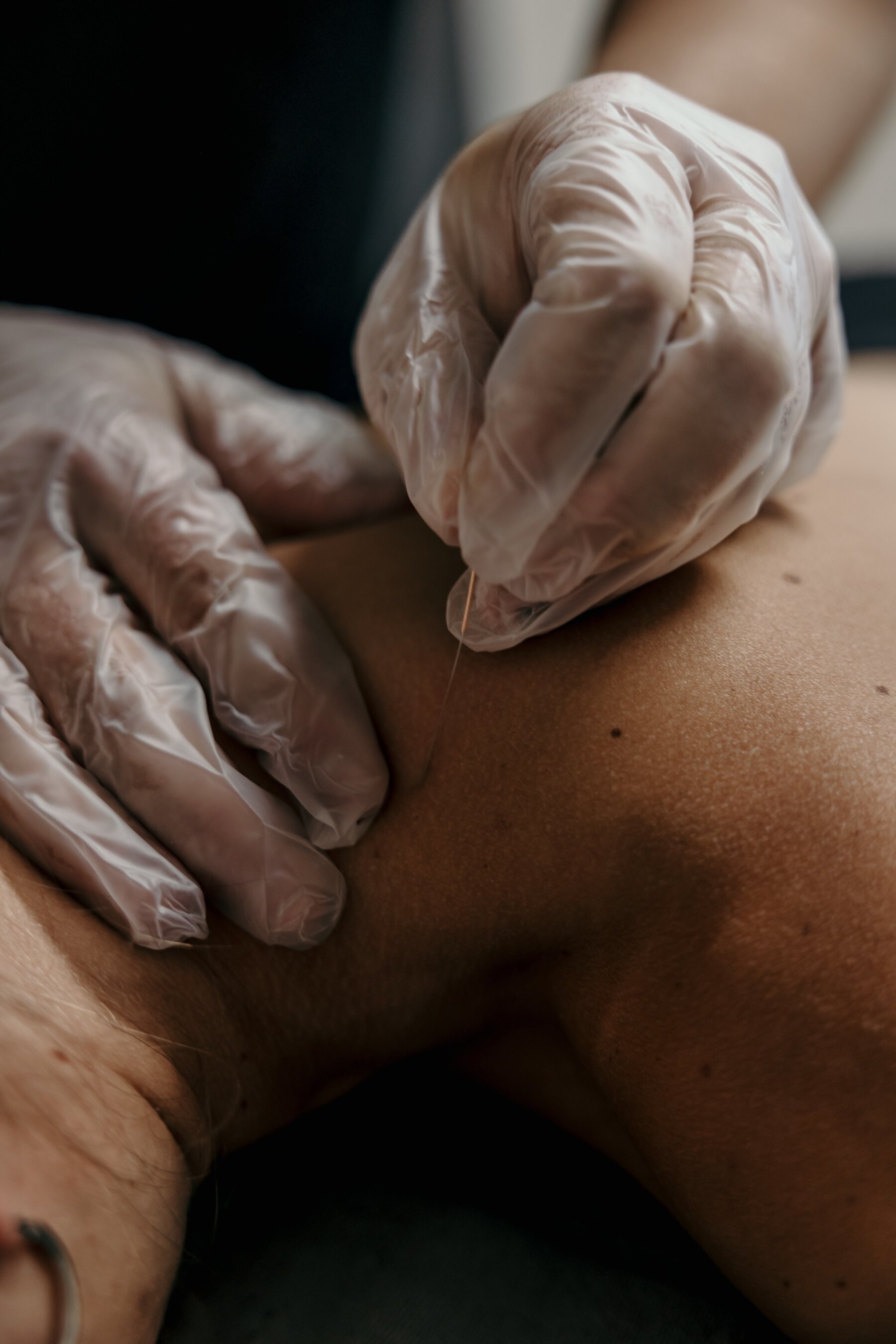
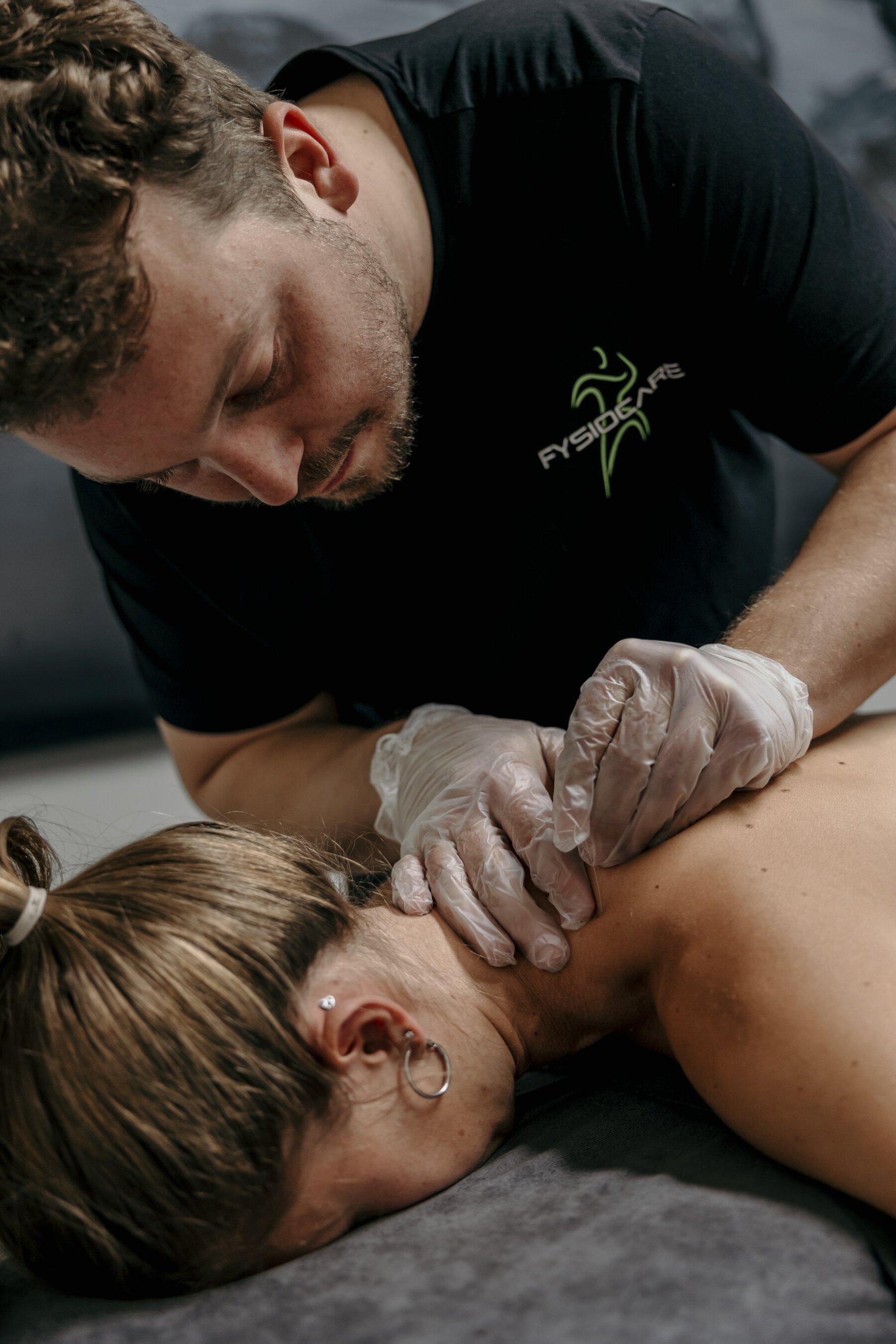
During a dry needling treatment, trigger points (painful points/tensions) in the muscles are targeted. Acupuncture needles are used to puncture the painful trigger points to create local relaxation.
What can you expect?
When the correct trigger point in the muscle is needled, it may briefly contract, causing a sensation similar to a "cramp." Afterward, the muscle usually relaxes immediately, easing your movement. The response to the treatment varies from person to person. In most cases, the treated area may feel a bit tired or stiff shortly after the treatment (up to 72 hours). Many people experience a change and often an increase in mobility after the treatment. This effect may be immediate or sometimes experienced a day later.
The exact working mechanism of dry needling is not fully understood. Research indicates that the insertion of the needle triggers mechanical and biochemical responses in the muscle that help reduce pain. Additionally, the nervous system is involved in pain reduction. When the needle is inserted, a reflex occurs, causing a brief contraction of the trigger point. The occurrence of this local muscle contraction (local twitch response) appears to be essential for recovery. It is the first step in breaking the pain cycle that has developed in the trigger point.
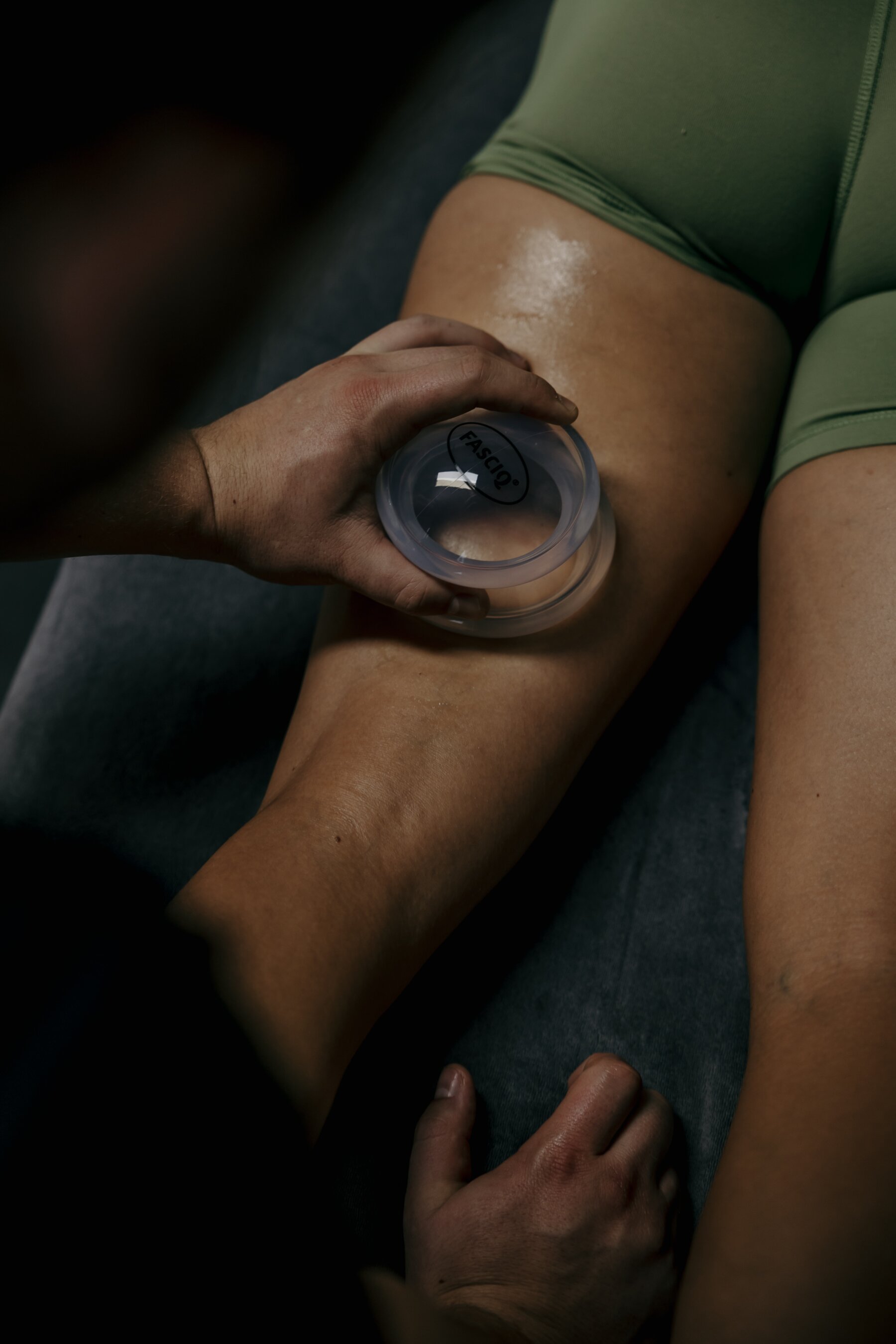
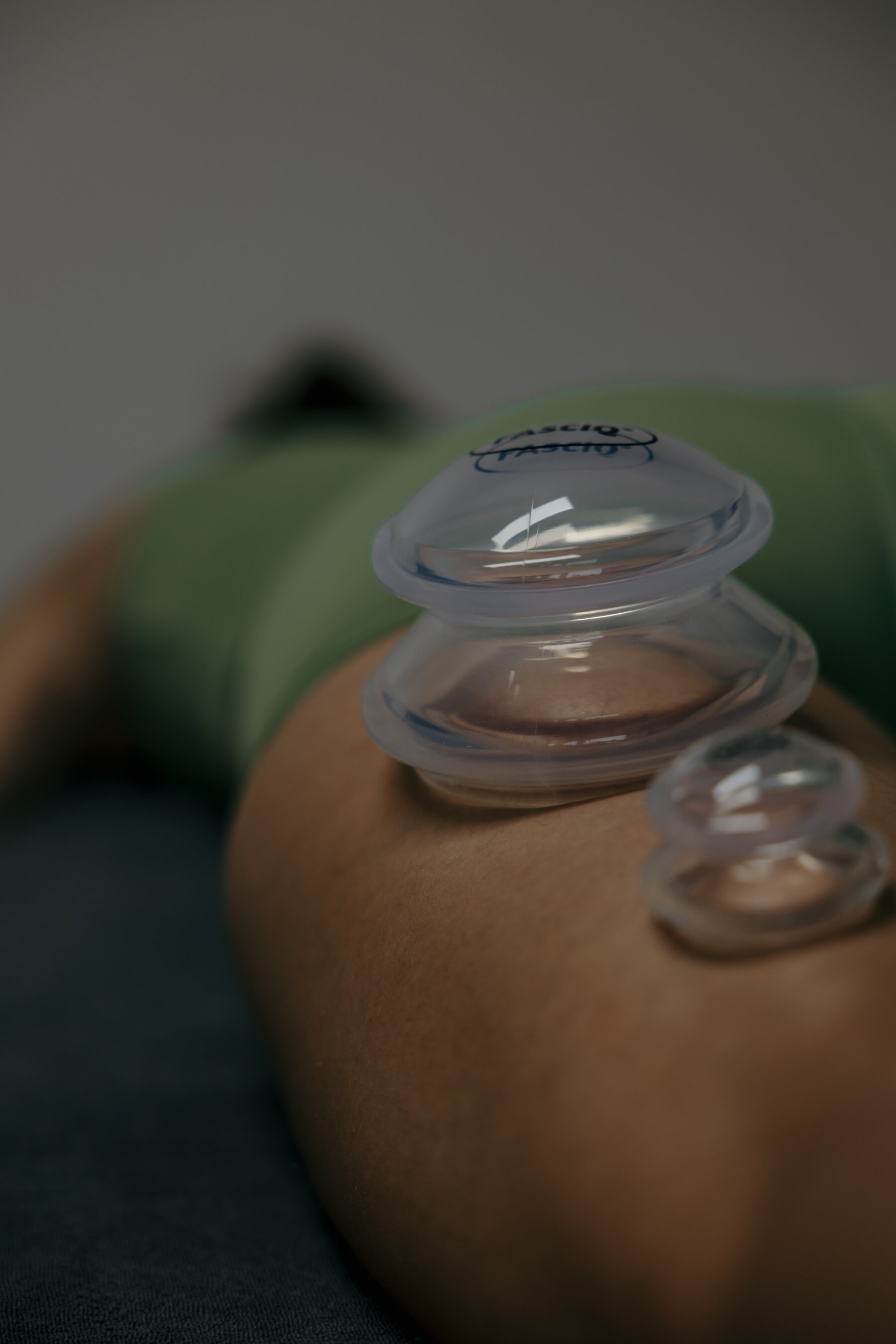
Cupping is a non-invasive therapy where the superficial skin/connective tissue is suctioned using a vacuum. It helps release adhesions and stimulates blood flow to the surface.
Both therapies are primarily complementary alternative treatments that we apply when the patient has not been sufficiently helped by physiotherapy/osteopathy. These treatments do not incur additional costs and are implemented during your existing treatment. However, for trying dry needling, you need to give your consent before the therapy can be applied.
Gegeven door
Kevin Spenik
Dry needling
Wat kan je verwachten?
Beide therapiën zijn vooral aanvullende alternatieve behandelingen die we gaan aanwenden als de patiënt niet voldoende is geholpen door kinesitherapie / osteopathie. Het is dus ook geen extra kost en wordt geïmplementeerd tijdens uw behandeling.
Werkingsmechanisme
Door het inbrengen van het naaldje treedt er namelijk een reflex op waardoor het triggerpoint kortdurend aanspant. Het optreden van deze lokale spiercontractie (local twitch response) blijkt essentieel voor het herstel. Dit is de eerste stap van het doorbreken van de pijncirkel die is ontstaan in het triggerpoint.
Om dry needling te proberen dient u wel uw akkoord te geven opdat de therapie mag worden toegepast.
Cupping
Niet invasieve therapie
Aanvullende alternatieve behandelingen